
Replicating a London post facility on a beach, an island, and film sets abroad
- Cinelab Film & Digital built a standing “Remote Kit,” deployable within 48 hours, that reproduces the digital dailies capabilities of its London dailies facility, with no servers and no dependence on local network infrastructure.
- iodyne Pro Data’s Multi-Reader Sharing lets ingest, QC, rendering, and archiving run simultaneously from one portable unit instead of queuing through multiple direct-attached drives.
- Deployed on eight productions in some of the hardest locations to support, including a satellite-only shoot on Easter Island and a two-week-notice deployment, without compromising encryption or redundancy.
- On a heavy shoot day, the kit holds roughly 20 hours of Alexa 35 footage in RAID-6, enough to ingest a full day’s shoot plus the previous day’s footage.

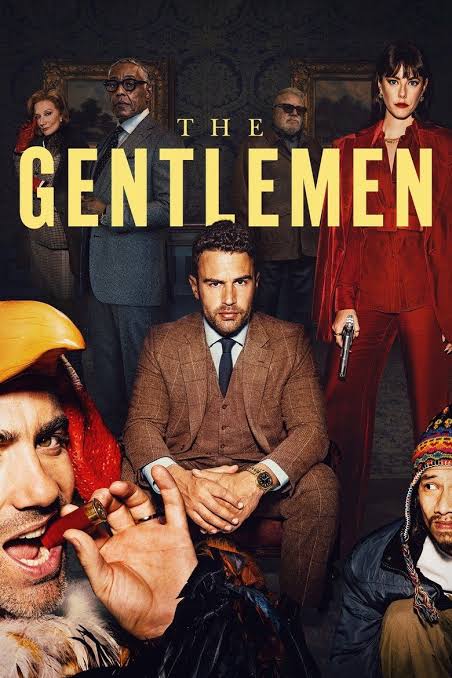
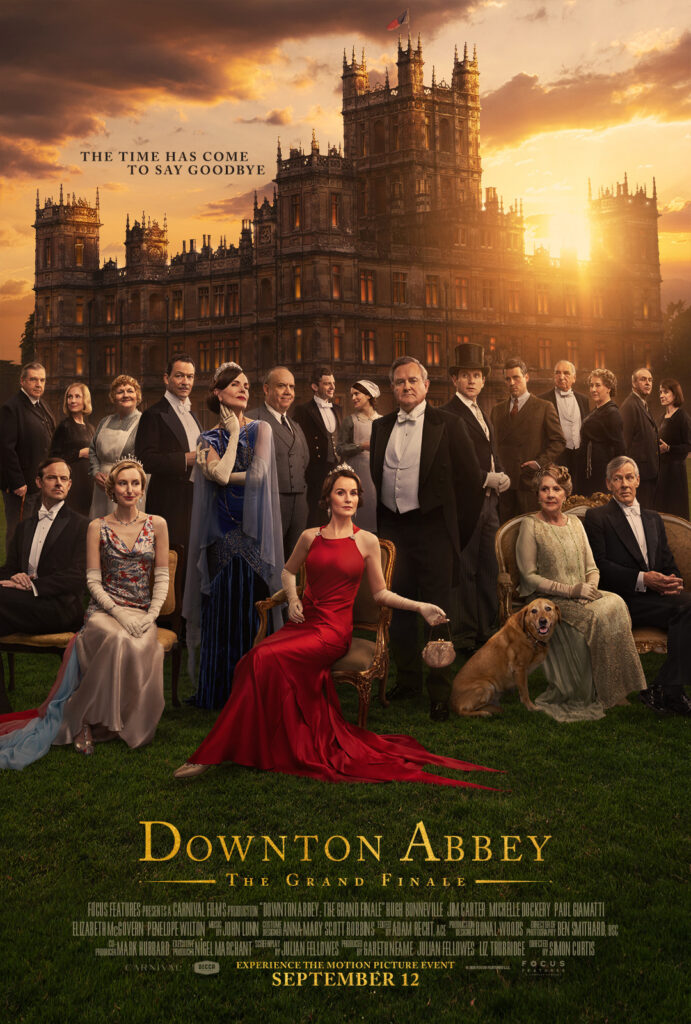
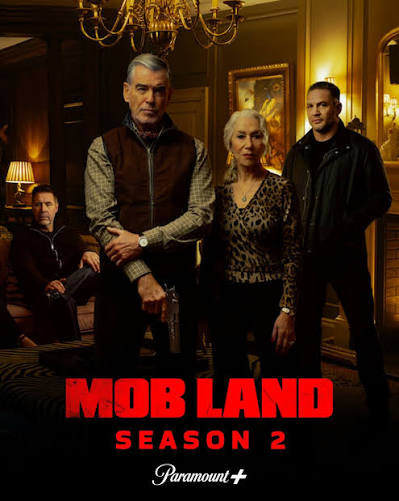
Cinelab projects with iodyne Pro Data behind the scenes
Industry context: When storage moves to the center of the shoot
Post-production infrastructure is shrinking because productions keep asking it to travel. Film Technologist Dane Brehm of Cintegral Technologies described a shift that used to apply to live events and now applies to far more: storage used to sit at the end of a production. Now it sits at the center, and someone on set has to coordinate ingest, backups, media handoffs, and editorial priorities in real time. Brehm calls that role a “data quarterback.“
The same demand is showing up not only in other productions, but also in entirely different verticals. A wildlife documentary filmed from a boat off Komodo Island, an oceanic research team deployed at open sea, a mobile film lab set up on a Tahitian atoll, and a multi-state legal team assembling documents for a class action all need the same thing: the speed and security of a facility, delivered wherever the work is stationed that day.
Cinelab Film & Digital solved this specifically for feature films and big-studio episodic productions, but the pressure behind it isn’t unique to film productions.
About Cinelab Film & Digital
Cinelab is a full-service film laboratory, digital dailies, and post-production facility – supporting productions across film, digital, and hybrid workflows.
The company handles everything from dailies and near-set production support through post to deliverables and LTO archiving. Their digital dailies credits include Fantastic Four: First Steps, Deadpool & Wolverine, The Rings of Power, MobLand, and The Gentlemen.
Christy Kail is Cinelab’s Head of Workflow. His job is to design systems that hold up across as many production scenarios as possible, inside and outside the building. That mandate put him at the center of a problem Cinelab was running into frequently: productions weren’t just asking for dailies. They were asking Cinelab to bring the entire dailies operation to set.
The pressure moment: The location sets the schedule
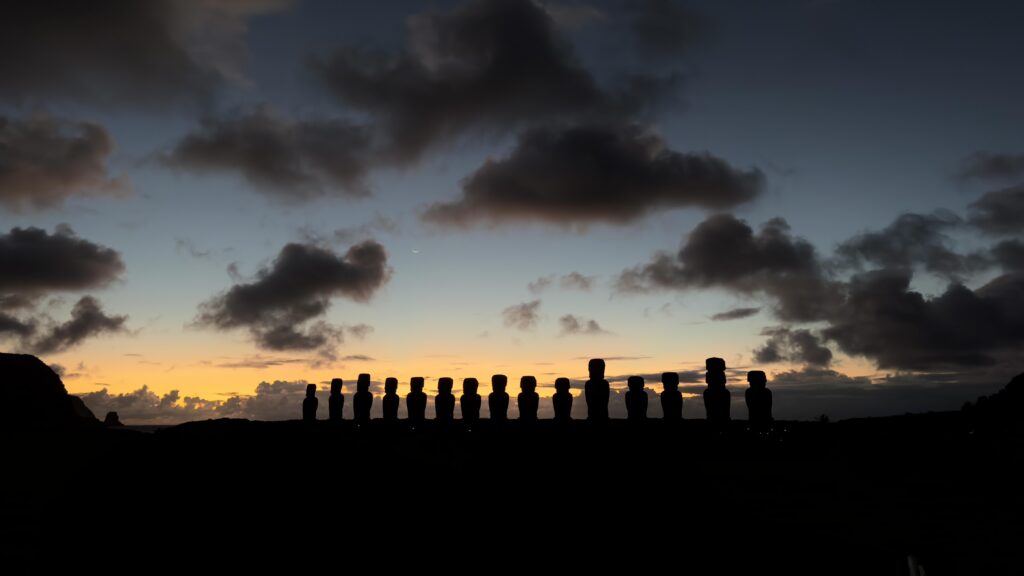
From the set of Wild Horse Nine, shot on Rapa Nui, aka Easter Island
When a production shoots in or near London, Cinelab handles dailies in-house, in a facility built for it. Increasingly, the job is leaving the studio. Productions are shooting where the story needs them to, not where post-production is convenient, and they’re asking Cinelab to deliver the same quality and turnaround on location as they get at the London facility.
The volume swings are what make it hard to plan around. As Kail put it:
“You’d have a job calmly shooting 1.5 hours a day, and as soon as they get to a place with nice palm trees, they start shooting six hours a day.”
When building an equipment package for a near-location job, there used to be two main approaches.
Large multi-unit jobs required a dedicated storage server. The server would require its own portable rack, a soundproofed room, and cooling, as well as a lot of preparation and setup time. Deploying in a hotel room or doing multiple moves between locations would be impractical, and the cost of transporting it as air freight was very high.
Smaller jobs would run from direct-attached drives, but this had severe limitations and was very hard to scale. Because only one machine could have a drive mounted at once, everything was serialized. Ingest had to finish before renders could begin. Renders had to finish before QC could start. QC had to be completed before archives could begin.
“Before Pro Data, if you were watching a file, you couldn’t also be rendering it. It didn’t matter how fast your storage was. That didn’t change until multi-reader sharing existed.”
The solution: A facility that fits in a case
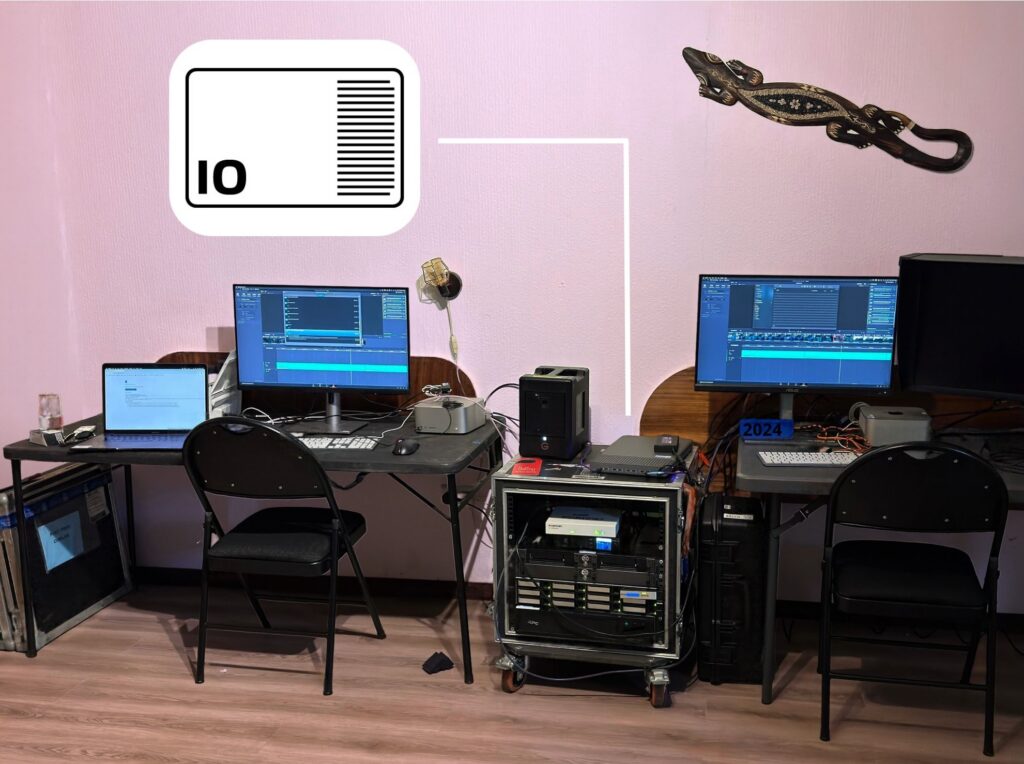
Cinelab’s Remote Kit setup featuring iodyne Pro Data
Cinelab built a standing Remote Kit, deployable within 48 hours for any production, centered on iodyne Pro Data. Pro Data sits between the two options that hadn’t worked. It carries the encryption and RAID redundancy of a facility array, in a form factor that fits in a case, at sustained speeds, without requiring a network to share access.
The capability that changed the workflow is Multi-Reader Sharing. Once a batch of media is ingested, that container is locked and shared between multiple workstations. That makes the offloaded media a digital source of truth: every machine reads the originals, not separate copies. It also builds data discipline into the setup. On a remote set with one or two operators, nothing depends on someone remembering which drive the original offload was to – every proxy and archive traces back to the same untouched files.
On Downton Abbey: The Grand Finale (Focus Features and Universal Pictures, produced by Carnival Films and directed by Simon Curtis), that meant splitting the render workload for a horse-racing sequence, shot on ten cameras including Venice 8K and RED Raptor 8K and generating 5 to 6TB a day, across two to three Mac Studios acting as a render farm, producing editorial DNx files directly, with a single operator on-site. It was the proof of concept for sending one person to recreate a workflow that normally takes a team.
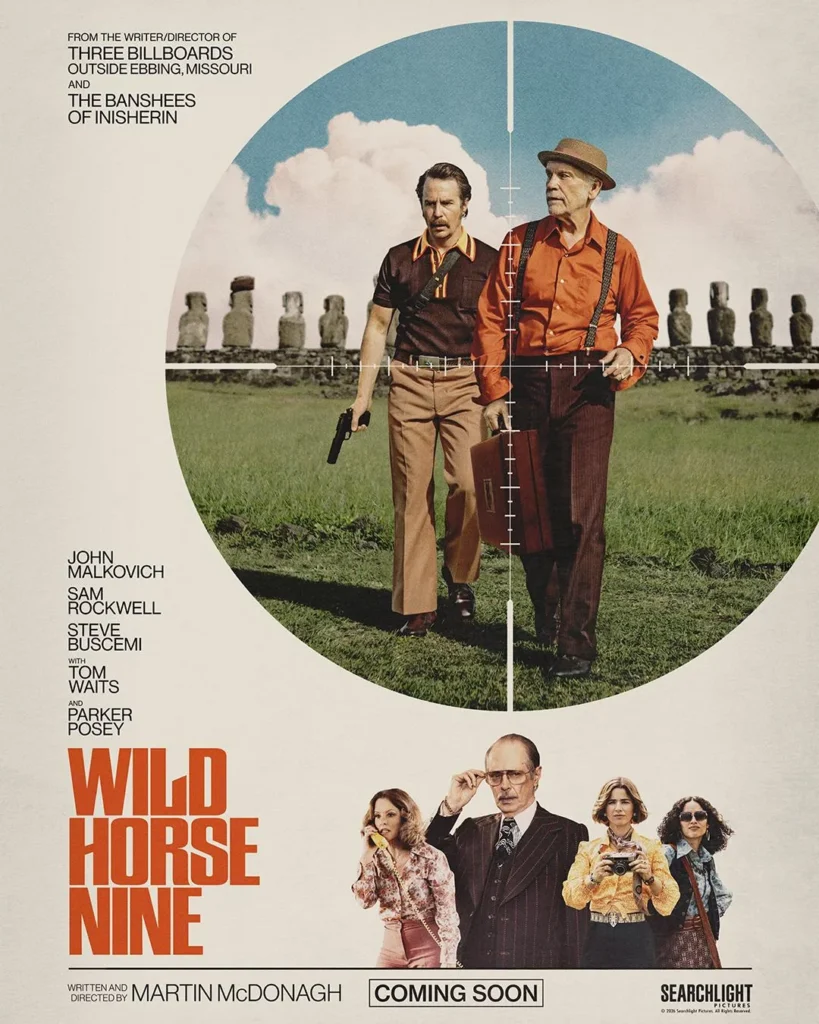
On Wild Horse Nine (Searchlight Pictures, written and directed by Martin McDonagh), shot over 25 days on Easter Island with only satellite internet, the same principle scaled further. The production shot on Alexa 35, with up to three cameras running at once, and assigned one container per camera. Once a camera’s media landed, its container was locked and shared as read-only. So offload, rendering, and archiving ran simultaneously off the same Pro Data unit instead of in sequence, all against the same untouched originals. That let the on-island operator generate multiple sets of files before sending them over Starlink to London, where colorist Darren Rae graded them, and Cinelab distributed deliverables to editorial, post, and the studio across several continents. Usable upload on the island ran as low as 10 Mbps, so generating files quickly allowed for longer upload times without delaying the overall delivery.
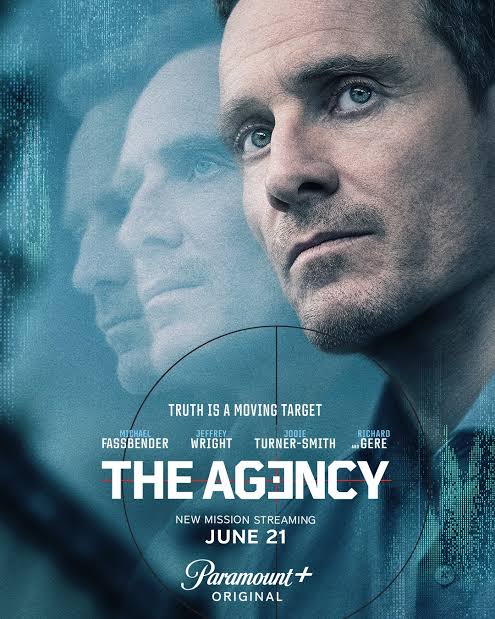
The same kit has since gone out on The Agency (Paramount+ with Showtime, starring Michael Fassbender and Richard Gere) across locations in Kenya and Morocco; MobLand (Paramount+, created by Guy Ritchie, starring Tom Hardy, Pierce Brosnan, and Helen Mirren); and The Buccaneers (Apple TV+, starring Kristine Frøseth) across locations in central Europe. Each production presented a different environment and a different infrastructure problem, and each ran on the same portable setup.
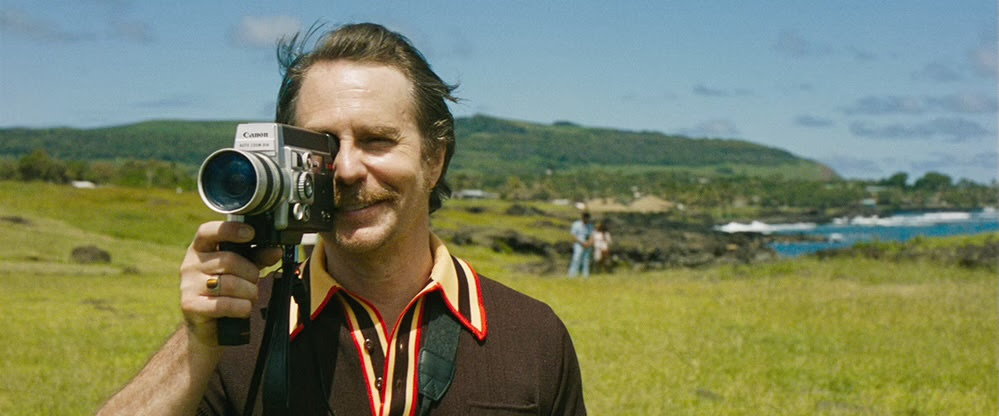
Film still: Wild Horse Nine
The impact: Twenty hours of headroom
As of today, Cinelab has completed eight projects on the Remote Kit, sourced through iodyne’s UK distributor, CCK Tech. On a heavy shoot day, the RAID-6 configuration’s roughly 20 hours of Alexa 35 storage is enough to run a full shoot day of ingest while simultaneously finishing archive on the previous day’s footage, instead of the two competing for the same drive. For multi-unit or very data-hungry productions, it’s easy to swap in a 48 or 96 TB version.
“Because most equipment must be carted and packed several weeks before the shoot begins, it’s not uncommon for the goalposts to move between shipping and shooting. Now we can always have our operator hand-carry an upgraded capacity iodyne to hot-swap into the package, should we find that an extra unit and an array have been booked in the meantime.”
That capability is what let Cinelab take on jobs like Wild Horse Nine with a much smaller footprint but without worrying about being able to turn around extremely heavy data totals.
The broader lesson: The kit travels, the principle doesn’t change
Cinelab’s problem was access, not storage capacity: could a small, portable setup offer the same simultaneous, secure access as a fixed facility without feeling improvised once it arrived? Sports video, corporate video, and independent creators are running into the same wall as they take more of their workflow on the road.
Field teams in legal, medical, research, energy, and government work are running into it too, for the same underlying reasons: rising shipping costs, slower customs, and less patience for equipment treated as fragile freight. The teams that hold up under that shift won’t be the ones with the largest arrays back home. They’ll be the ones that can put a facility-grade setup in a case.
Taking your workflow to the edge?
iodyne helps teams get the creative work done with peace of mind, and get more sleep. See how iodyne’s storage solutions fit into your own production setup.
Related stories


Creator Spotlights