News
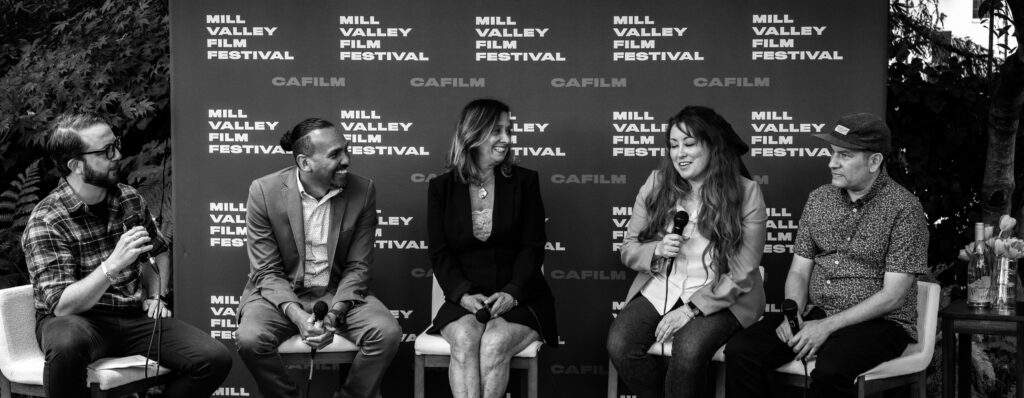
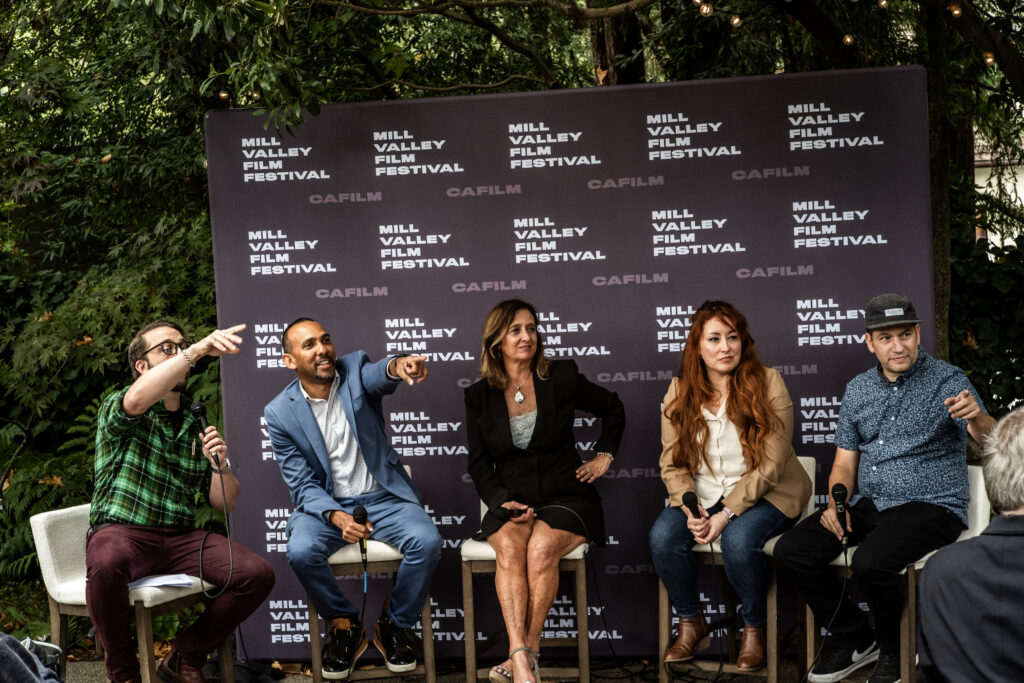
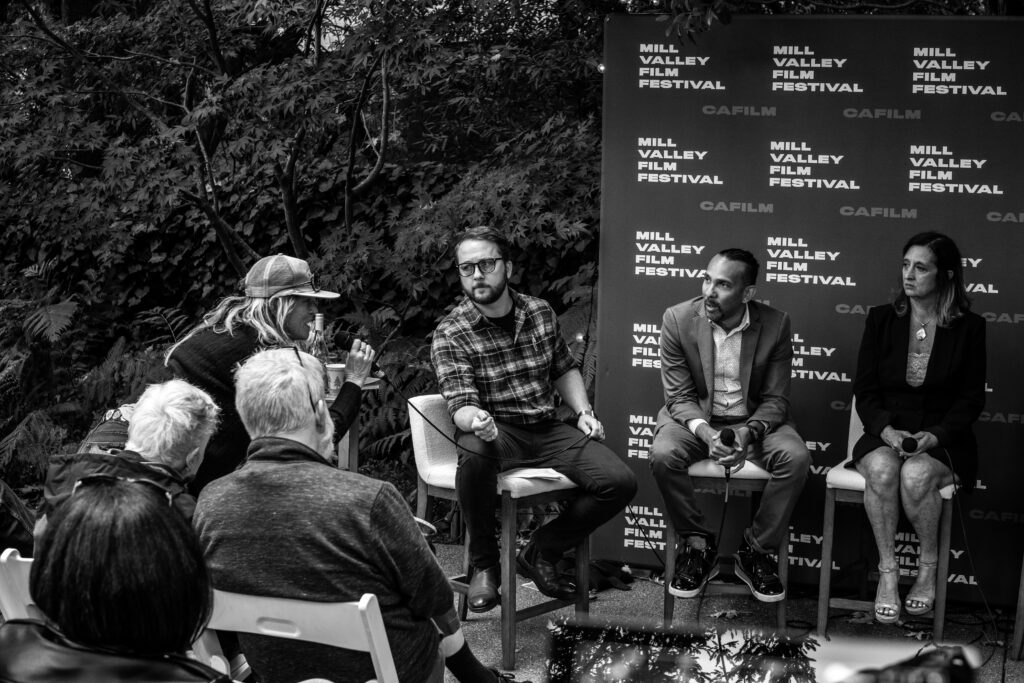
MVFF 47: Film and Technology Panel
Pandemic positives?
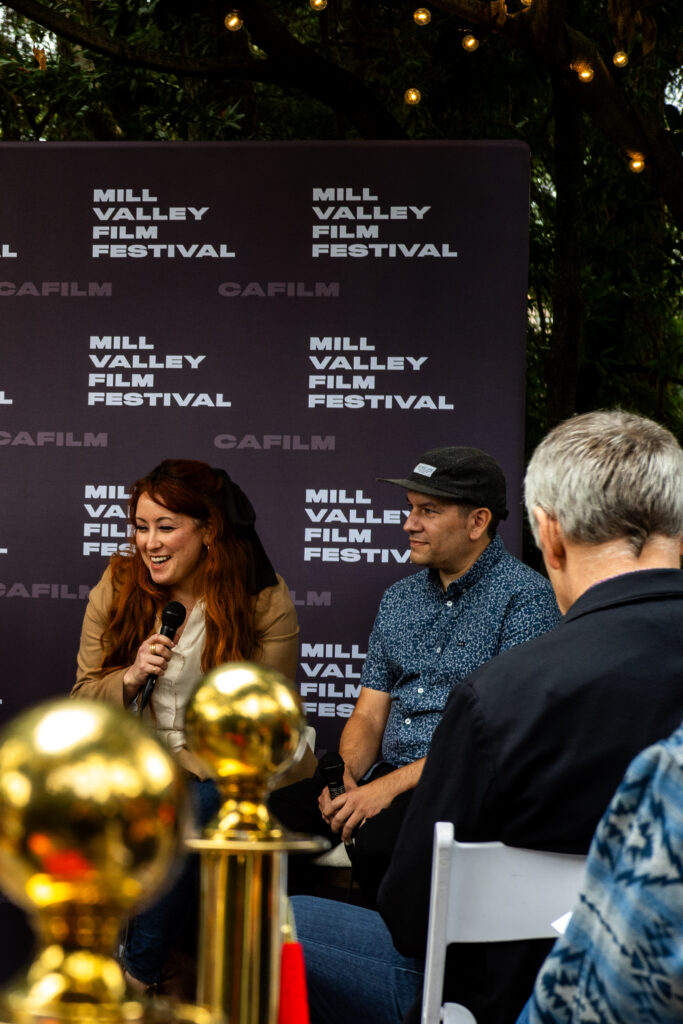
To kick things off, the panel looked back on which of the technological innovations of necessity from the Covid-19 pandemic time have stuck, now with a few years away from the height of the crisis. “The pandemic really showed that films could be made at a studio level everywhere,” Katie said, drawing on her experience with the MCU on projects such as Black Panther: Wakanda Forever and Shang-Chi. “Being a former film student, you would just have to make a film wherever you could. But then when you go to a studio, you have to make it where you’re being asked to. So the pandemic kind of created this time where it was really exciting where they’re like, okay, now we have to make this. And it’s not the way that we made it a year ago. So make it happen, but make it secure, and make it real fast.”
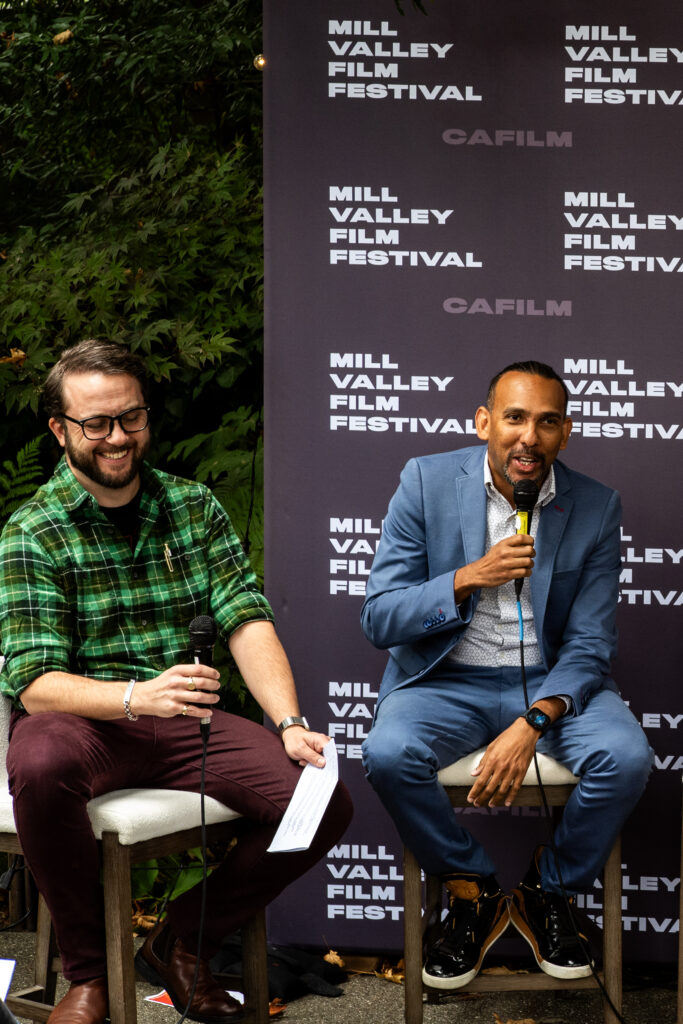
New technologies were deployed on the fly, with technologists meeting the needs of creatives to tell their stories—Jerome noted the challenge of also needing to keep high value assets secure as they traveled around the world, being shared between far-flung teams. Those short-term pandemic solutions have created some seismic shifts in the very idea of what is possible in how creative and technology can tell stories.
To do things with what you have makes you extremely innovative and do something no one has ever done before.
Technology should always be in the service of story.
“Storytelling as rapid prototyping”
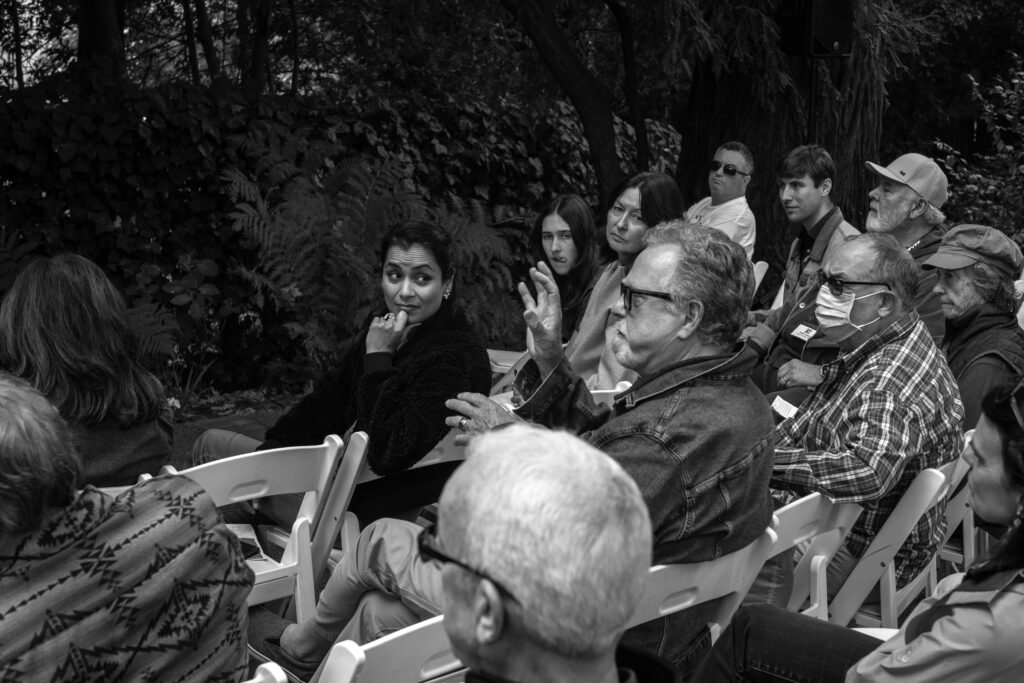
iodyne pushing the limits
Panelist Bios
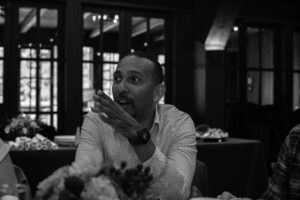
Jerome Prescod, an Engineering Emmy winner, has been pioneering film and television workflow solutions for nearly 20 years. At Disney’s Studio Technology, he ensures the security of post-production processes while working closely with creatives to push the boundaries of what’s possible in storytelling.

Frequently Asked Questions
What was the focus of the Iodyne panel at MVFF 47?
At MVFF 47, the film and technology panel examined how emerging production technologies are changing the filmmaking landscape. Topics included the evolution of virtual production, data workflow challenges, and the growing intersection of technology companies and creative storytelling.
What is the relationship between film festivals and technology companies?
Film festivals like MVFF increasingly include technology panels because the tools filmmakers use are changing so rapidly. Technology companies like Iodyne participate to learn from filmmakers’ needs and to demonstrate how their products support the creative process.
Who speaks on technology panels at film festivals?
Technology panels at film festivals typically feature a mix of filmmakers, producers, technologists, and product leaders. At MVFF, panels have included working directors, cinematographers, and company representatives discussing the practical realities of modern production technology.
How is new technology changing independent filmmaking?
New technology is democratizing filmmaking by making high-quality tools more accessible and affordable. Portable high-performance storage, software-defined workflows, and AI-assisted production tools allow smaller teams to work at a level of quality previously only available to major studio productions.
What did Iodyne present or discuss at MVFF 47?
Iodyne was represented at MVFF 47 as part of the festival’s engagement with production technology. The event provided a platform to discuss the real-world data workflow challenges that filmmakers face and how Pro Data addresses them on modern productions.